Buy vintagecars.eu ?
We are moving the project
vintagecars.eu .
Are you interested in purchasing the domain
vintagecars.eu ?
domain@kv-gmbh.de · 0541-91531010
Buy vintagecars.eu ?
Which tenses exist in Swiss German that only have two tenses?
In Swiss German, there are two tenses that only have two forms: the present tense and the past tense. The present tense is used to talk about actions happening in the present, while the past tense is used to talk about actions that have already happened. Unlike in Standard German, there is no distinction between the simple past and the present perfect tense in Swiss German. **
Which tenses are related?
The tenses that are related in English are the simple present, simple past, and simple future tenses. These tenses are the basic forms of verb conjugation and are used to express actions or states that occur in the present, past, or future respectively. They are often used as building blocks for more complex tenses and can be combined with auxiliary verbs to convey different shades of meaning. Understanding the relationship between these tenses is essential for mastering English grammar. **


Similar search terms for Tenses
Top-Angebote
Products related to Tenses:
-
ModernMart Vintage Bronze Swirl Pendant Necklace For Women Timeless Antique Jewelry Vintage Bronze Swirl Pendant Necklace For Women Timeless Antique JewelryImagine adding a subtle touch of oldworld charm to your everyday style. This elegant vintage pendant necklace is designed for women who appreciate timeless beauty with a modern edge. Featuring an intricate swirl design in antique bronze, it brings...29,97 $*Shipping: 0,00 $Secure redirect to the provider
-
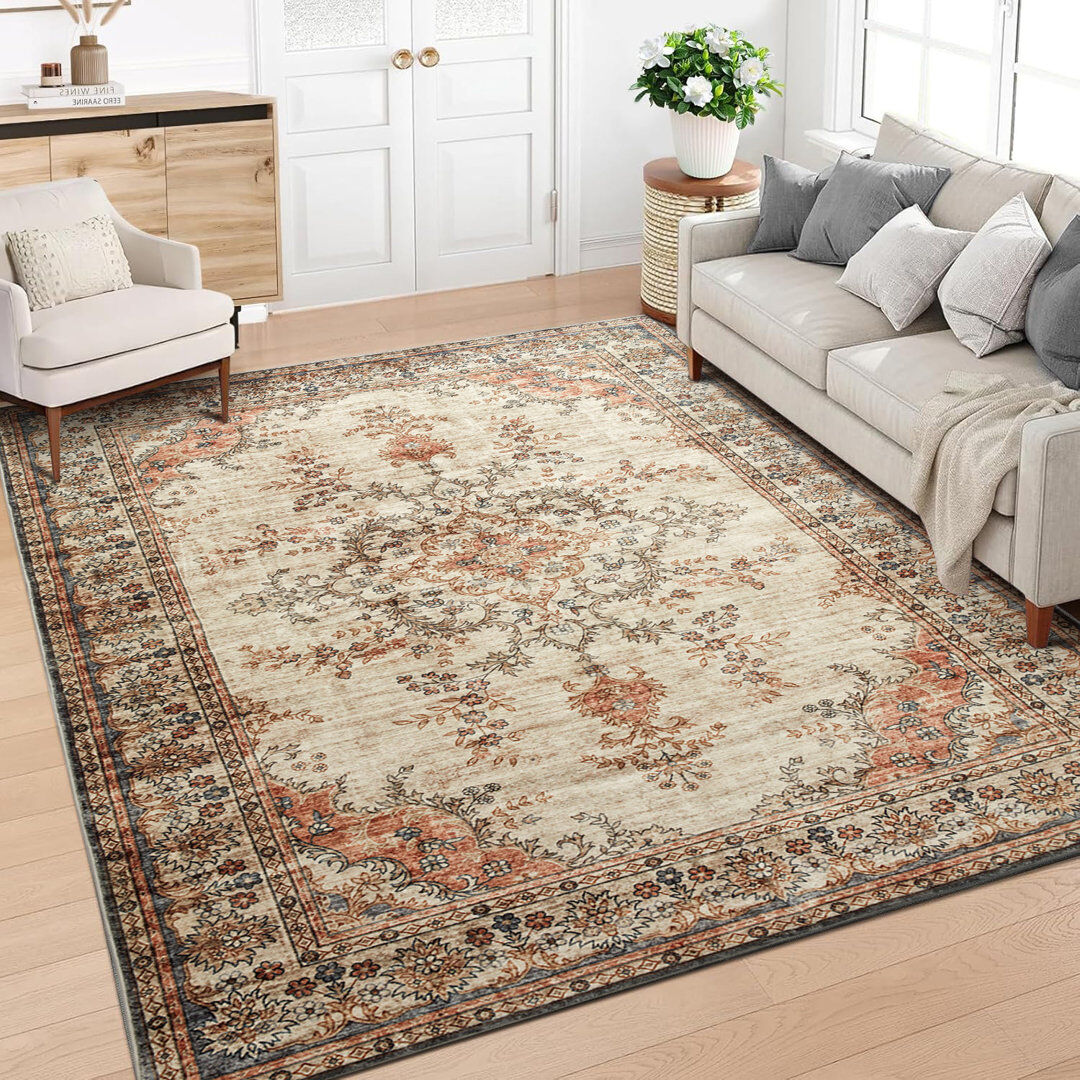
Marlow Home Co. Antique Timeless Cashmere Shag Area Rug TIMELESS Rectangle 160 x 230 cmOur Cashmere Rug is made to make a statement in your UK living room. Designed to impress, this oversized living room rug combines timeless beauty with modern durability. Featuring a rich blend of traditional motifs and a sleek, contemporary twist, it’s the perfect room rug to elevate heritage-style interiors or add depth to minimalist décor. Crafted with a premium cashmere-feel texture, it offers a luxuriously soft surface that’s as comforting as it is stylish. Whether you place it beneath your coffee table, anchor it in your lounge, or let it shine as a centrepiece in an open-plan setting, this large rug effortlessly ties your space together. Made for real homes, it’s stain-resistant, easy to maintain, and built to withstand the hustle of daily life—pets, kids, and all. Complete your room with luxury and warmth—shop the Majestic Living Room Rug from Yorkshire Bedding today and let your floor talk. Brand Name: Marlow Home Co.. Rug Size: Rectangle 160 x 230 cm67,99 £*Shipping: 0,00 £Secure redirect to the provider
-
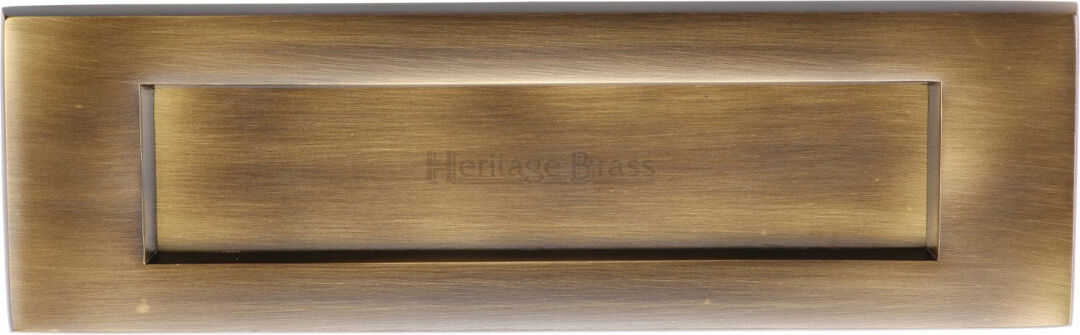
Heritage Brass Heritage Letterplate Antique Brass 12.7 cm H x 35.6 cm WUpdate your front door with this letterbox, featuring an understated design and available in a variety of metallic finishes. Brand Name: Heritage Brass. Colour: Antique Brass, Size: 12.7 cm H x 35.6 cm W78,99 £*Shipping: 0,00 £Secure redirect to the provider

-
Which tenses are there in Swiss German that only have two tenses?
In Swiss German, there are two tenses that only have two forms: present and past. The present tense is used to describe actions happening in the present moment, while the past tense is used to talk about actions that have already occurred. These two tenses are commonly used in everyday conversations in Swiss German. **
-
Which tenses are there in Swiss German that have only two tenses?
In Swiss German, there are two tenses that have only two forms: the present tense and the past tense. The present tense is used to describe actions happening in the present moment, while the past tense is used to talk about actions that have already happened. Unlike Standard German, Swiss German does not have a separate future tense, so speakers use the present tense or auxiliary verbs to indicate future actions. **
-
Which tenses exist in Swiss German where there are only two tenses?
In Swiss German, the two tenses that exist are the present tense and the past tense. The present tense is used to describe actions that are currently happening or habitual actions, while the past tense is used to talk about actions that have already occurred. Swiss German does not have a separate future tense, as the present tense can also be used to express future actions. **
-
Which two tenses are possible?
The two tenses that are possible are the present tense and the past tense. The present tense is used to describe actions that are currently happening or are generally true, while the past tense is used to describe actions that have already occurred. These two tenses allow us to convey different time frames and perspectives in our writing and speech. **
How can one recognize tenses?
One can recognize tenses by looking at the verb in a sentence and identifying the time frame in which the action is taking place. For example, if the verb ends in "-ed" it is likely in the past tense, while if it ends in "-ing" it is likely in the present continuous tense. Additionally, the use of helping verbs such as "will" or "has" can indicate future or present perfect tenses, respectively. Understanding the context of the sentence and the time frame being referred to can also help in recognizing tenses. **
Which tenses must one use?
One must use a variety of tenses in order to accurately convey different points in time and actions. The choice of tense depends on the specific context and the relationship between different events. For example, the present tense is used for current actions or general truths, the past tense is used for completed actions or events, and the future tense is used for actions that will happen at a later time. Additionally, the perfect tenses are used to show actions that are completed or ongoing at a specific point in time. Overall, the selection of tenses is crucial for effectively communicating the timing and sequence of events. **
Top-Angebote
Products related to Tenses:
-
Uplift Picks Timeless Heritage Vintage Pocket Watch With Chain Quartz Retro Pendant 1 Pc bronzeCelebrate classic style with a beautifully crafted vintage pocket watch with chain designed for those who appreciate timeless elegance. This retro inspired timepiece combines traditional charm with reliable quartz movement for accurate timekeeping....57,98 $*Shipping: 0,00 $Secure redirect to the provider
-
ModernMart Vintage Bronze Swirl Pendant Necklace For Women Timeless Antique Jewelry Vintage Bronze Swirl Pendant Necklace For Women Timeless Antique JewelryImagine adding a subtle touch of oldworld charm to your everyday style. This elegant vintage pendant necklace is designed for women who appreciate timeless beauty with a modern edge. Featuring an intricate swirl design in antique bronze, it brings...29,97 $*Shipping: 0,00 $Secure redirect to the provider
-
Which tenses exist in Swiss German that only have two tenses?
In Swiss German, there are two tenses that only have two forms: the present tense and the past tense. The present tense is used to talk about actions happening in the present, while the past tense is used to talk about actions that have already happened. Unlike in Standard German, there is no distinction between the simple past and the present perfect tense in Swiss German. **
-
Which tenses are related?
The tenses that are related in English are the simple present, simple past, and simple future tenses. These tenses are the basic forms of verb conjugation and are used to express actions or states that occur in the present, past, or future respectively. They are often used as building blocks for more complex tenses and can be combined with auxiliary verbs to convey different shades of meaning. Understanding the relationship between these tenses is essential for mastering English grammar. **
-
Which tenses are there in Swiss German that only have two tenses?
In Swiss German, there are two tenses that only have two forms: present and past. The present tense is used to describe actions happening in the present moment, while the past tense is used to talk about actions that have already occurred. These two tenses are commonly used in everyday conversations in Swiss German. **
-
Which tenses are there in Swiss German that have only two tenses?
In Swiss German, there are two tenses that have only two forms: the present tense and the past tense. The present tense is used to describe actions happening in the present moment, while the past tense is used to talk about actions that have already happened. Unlike Standard German, Swiss German does not have a separate future tense, so speakers use the present tense or auxiliary verbs to indicate future actions. **
Similar search terms for Tenses
-
Marlow Home Co. Antique Timeless Cashmere Shag Area Rug TIMELESS Rectangle 160 x 230 cmOur Cashmere Rug is made to make a statement in your UK living room. Designed to impress, this oversized living room rug combines timeless beauty with modern durability. Featuring a rich blend of traditional motifs and a sleek, contemporary twist, it’s the perfect room rug to elevate heritage-style interiors or add depth to minimalist décor. Crafted with a premium cashmere-feel texture, it offers a luxuriously soft surface that’s as comforting as it is stylish. Whether you place it beneath your coffee table, anchor it in your lounge, or let it shine as a centrepiece in an open-plan setting, this large rug effortlessly ties your space together. Made for real homes, it’s stain-resistant, easy to maintain, and built to withstand the hustle of daily life—pets, kids, and all. Complete your room with luxury and warmth—shop the Majestic Living Room Rug from Yorkshire Bedding today and let your floor talk. Brand Name: Marlow Home Co.. Rug Size: Rectangle 160 x 230 cm67,99 £*Shipping: 0,00 £Secure redirect to the provider
-
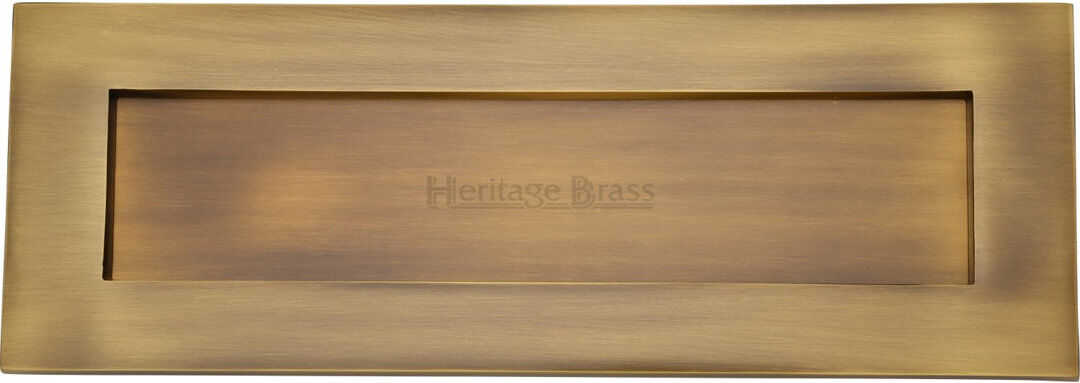
Heritage Brass Heritage Letterplate Antique Brass 12.7 cm H x 35.6 cm WUpdate your front door with this letterbox, featuring an understated design and available in a variety of metallic finishes. Brand Name: Heritage Brass. Colour: Antique Brass, Size: 12.7 cm H x 35.6 cm W78,99 £*Shipping: 0,00 £Secure redirect to the provider
-
Heritage Brass Heritage Letterplate Antique Brass 9.6 cm H x 30.5 cm WUpdate your front door with this letterbox, featuring an understated design and available in a variety of metallic finishes. Brand Name: Heritage Brass. Colour: Antique Brass, Size: 9.6 cm H x 30.5 cm W44,99 £*Shipping: 4,99 £Secure redirect to the provider
-
Martha Stewart Heritage Garden Stripe Antique Gold WallpaperHeritage Garden Stripe is a perfectly balanced wallpaper featuring delicate ditsy florals woven into elegant vertical stripes. Its charming design adds personality and a welcoming, refined farmhouse feel to any living space.110,00 $*Shipping: 0,00 $Secure redirect to the provider
-
Which tenses exist in Swiss German where there are only two tenses?
In Swiss German, the two tenses that exist are the present tense and the past tense. The present tense is used to describe actions that are currently happening or habitual actions, while the past tense is used to talk about actions that have already occurred. Swiss German does not have a separate future tense, as the present tense can also be used to express future actions. **
-
Which two tenses are possible?
The two tenses that are possible are the present tense and the past tense. The present tense is used to describe actions that are currently happening or are generally true, while the past tense is used to describe actions that have already occurred. These two tenses allow us to convey different time frames and perspectives in our writing and speech. **
-
How can one recognize tenses?
One can recognize tenses by looking at the verb in a sentence and identifying the time frame in which the action is taking place. For example, if the verb ends in "-ed" it is likely in the past tense, while if it ends in "-ing" it is likely in the present continuous tense. Additionally, the use of helping verbs such as "will" or "has" can indicate future or present perfect tenses, respectively. Understanding the context of the sentence and the time frame being referred to can also help in recognizing tenses. **
-
Which tenses must one use?
One must use a variety of tenses in order to accurately convey different points in time and actions. The choice of tense depends on the specific context and the relationship between different events. For example, the present tense is used for current actions or general truths, the past tense is used for completed actions or events, and the future tense is used for actions that will happen at a later time. Additionally, the perfect tenses are used to show actions that are completed or ongoing at a specific point in time. Overall, the selection of tenses is crucial for effectively communicating the timing and sequence of events. **
* All prices are inclusive of VAT and, if applicable, plus shipping costs. The offer information is based on the details provided by the respective shop and is updated through automated processes. Real-time updates do not occur, so deviations can occur in individual cases. ** Note: Parts of this content were created by AI.